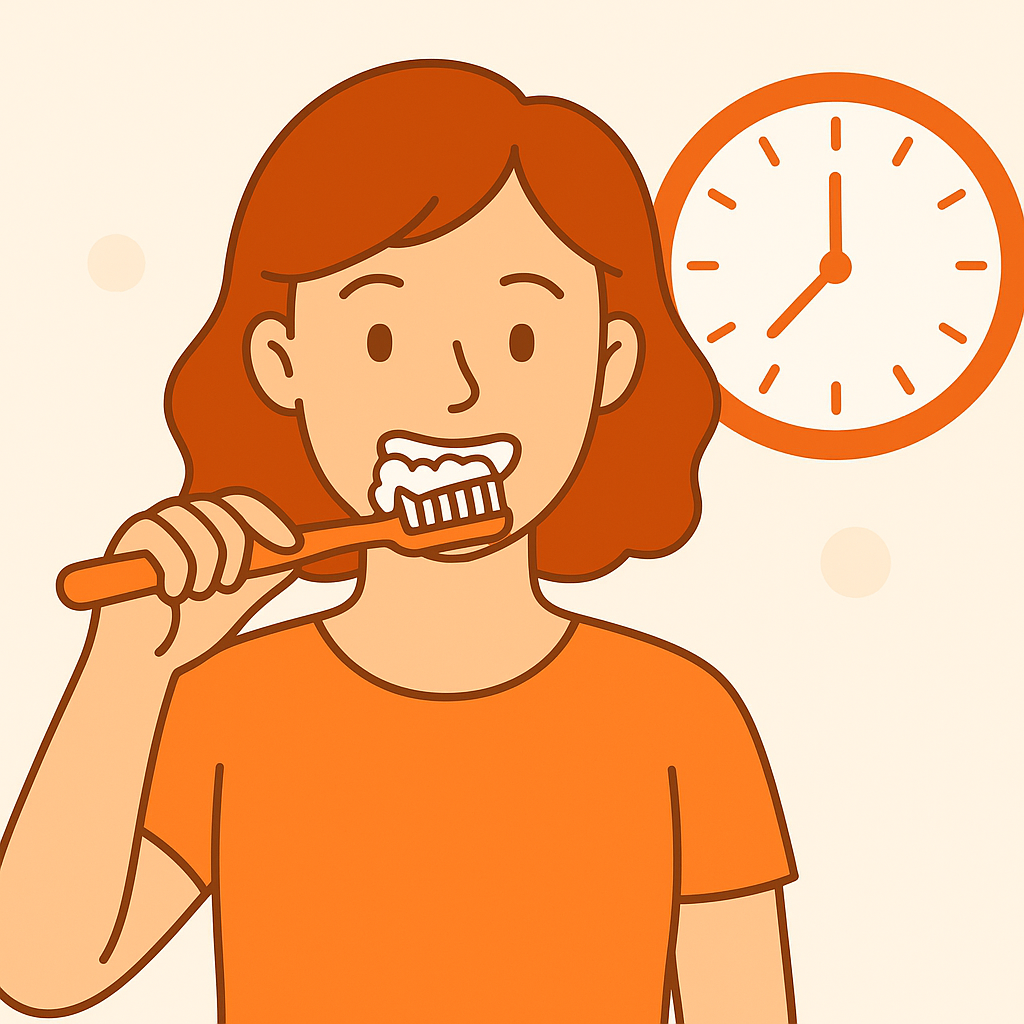
If you've ever heard your dentist mention waiting 30 minutes after brushing before eating, you might have wondered why. It seems like a long time, and you're probably eager to start your day. But this simple recommendation is backed by real dental science, and understanding the "why" behind it can help you make better choices for your oral health.
What Happens to Your Teeth When You Brush
When you brush your teeth with fluoride toothpaste, something important happens: your tooth enamel becomes slightly softened and more porous. This is actually a good thing in the moment—it allows fluoride to penetrate deeper into your enamel and strengthen it from within. However, this temporary softening also makes your teeth more vulnerable to acid attack and erosion.
Your saliva plays a crucial role in this process. After you brush, your saliva works to remineralize your teeth, replenishing lost minerals and hardening the enamel back to its normal state. This natural healing process takes time—typically around 20-30 minutes.
The Risk of Eating Too Soon After Brushing
When you eat immediately after brushing, you're introducing food and drinks into your mouth while your enamel is in this vulnerable state. Here's what happens:
Acidic foods and drinks can penetrate softened enamel more easily, causing erosion and weakening the protective layer of your teeth
Sticky or hard foods may stick to freshly brushed teeth that haven't fully remineralized
Bacteria in your mouth can more easily colonize teeth that haven't completed their post-brush recovery
Sugary foods introduce fuel for cavity-causing bacteria at a time when your teeth's defenses are compromised
Why 30 Minutes Matters
That 30-minute window isn't arbitrary—it's the approximate time your saliva needs to fully remineralize your enamel after brushing. During this window, your natural saliva is doing its job, restoring your teeth to their strongest state. By waiting, you're allowing your mouth's natural defense system to work at full capacity before introducing new challenges.
This is especially important if you brush right after waking up or before bed, when you might be tempted to eat breakfast or take a sip of coffee immediately.
Tips for Making This Habit Stick
We know waiting 30 minutes isn't always convenient, but here are some practical strategies to make it easier:
Brush earlier: Wake up 30 minutes earlier and brush before your morning routine, so by the time you're ready to eat, the waiting period is over
Brush after eating: Instead of before, brush your teeth after breakfast or lunch—this way you can eat first without the post-brush vulnerability window
Stay hydrated: Drink water during your waiting period. It's refreshing, helps activate your saliva, and keeps you hydrated
Use a timer: Set a phone alarm for 30 minutes after brushing to remind yourself it's safe to eat
Plan your morning: Use that 30 minutes for your shower, getting dressed, or checking emails—activities that keep you occupied
What About Acidic Foods and Drinks?
If you can't wait 30 minutes to eat, be especially mindful of what you consume. Acidic beverages like coffee, orange juice, and smoothies are particularly damaging to softened enamel. If you must eat or drink right after brushing, stick to neutral pH foods and rinse your mouth with water afterward.
A Small Change, Big Results
This 30-minute rule is a small adjustment that can make a significant difference in your long-term dental health. By giving your teeth time to fully remineralize after brushing, you're strengthening your enamel and reducing your risk of erosion, cavities, and sensitivity. It's one of the simplest, most effective habits you can adopt.
Ready to optimize your oral hygiene routine? At Stoneridge Dental, Dr. Wong and our team are here to answer your questions about the best practices for keeping your smile healthy and strong. Whether you're in Pleasanton, CA or nearby, we'd love to see you for a checkup and personalized oral care recommendations. Schedule your appointment today!